
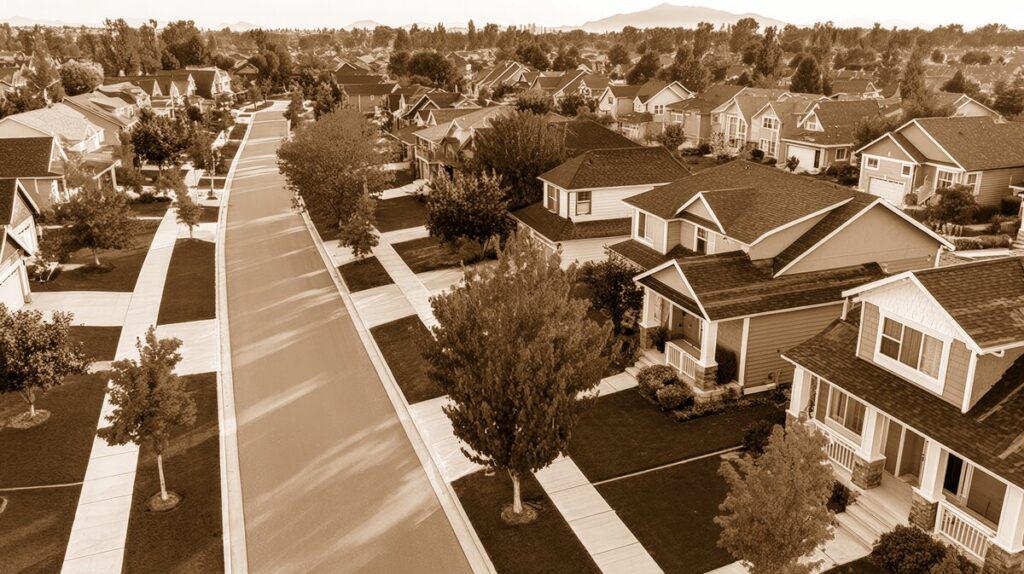
Nestled on Connecticut’s storied Gold Coast, Darien Downtown is more than just the bustling center of a quintessential New England town—it's the beating heart of a community with roots as deep as its historic maples. As someone who has wandered these streets in every season, I’m excited to share what makes Downtown Darien truly special, from its earliest days to the inviting hub it is today.
The Origins of Darien Downtown
The area now known as Downtown Darien began as part of Stamford in the late 1600s, with settlers drawn by fertile land and coastal access. By 1737, a scattered group of families living in what was then called Middlesex petitioned for their own parish, seeking a place to worship closer to home—a desire that would prove crucial in shaping the future town center.
It wasn’t until 1820 that the Connecticut General Assembly granted Middlesex parish its independence, and the community was officially named “Darien”—a name steeped in some mystery. Local lore suggests either a fondness for the Panama region of Darién (then in the public imagination thanks to tales of exploration), or simply the wish for a distinctive name setting the parish apart. Either way, the name “Darien” stuck, and the intersection of Boston Post Road (now US-1) and Tokeneke Road became the natural crossroads for commerce and community gatherings.
Key Historical Milestones
As the 19th century progressed, Darien Downtown evolved from a rural crossroads to a vibrant marketplace. The arrival of the New Haven Railroad in 1848 marked a major turning point. With a station just steps from today’s Rings End Road, Darien became a stopover for New Yorkers seeking summer respite—a tradition that evolved into a wave of new residents and grand Victorian homes.
Some of the most significant milestones in Downtown’s story include:
- The Founding of the First Congregational Church (1744): Still standing at the intersection of Brookside Road and Boston Post Road, this white steepled church has borne witness to the comings and goings of generations.
- Creation of Tilley Pond Park (early 1900s): Once the estate of the Tilley family, this leafy oasis near Park Place became a town-owned park in the 1920s. Benches under flowering trees and a stone footbridge make it a peaceful sanctuary.
- Establishment of Darien Library (1894, current building 2009): The library has muscled through multiple locations, always holding a central place in downtown life. Its state-of-the-art facility gleams on Hecker Avenue, yet it honors a tradition of learning that traces back over a century.
Notable Landmarks and Buildings
To wander Darien Downtown is to take a trip through time, with several landmarks that echo the town’s rich legacy:
- The Depot (originally built 1868): The Darien Railroad Station, now a hub for Metro-North commuters, preserves its 19th-century character in red brick and slate roofing.
- The Old Town Hall on Boston Post Road: Crowned with a cupola and clock, this elegant building has served as a gathering place since the late 19th century.
- Corbin District: Once a line of modest frame shops, this area is being thoughtfully redeveloped, blending classic New England architecture with lively shops and restaurants while preserving its original street grid.
- The Darien Historical Society and Bates-Scofield Homestead (c. 1736): Set on Old Kings Highway North, just a short stroll from downtown proper, the homestead and gardens are living museums, hosting exhibits and community events.
Evolution Through the Decades
Darien Downtown has continually reinvented itself, evolving in response to broader cultural and economic trends while retaining its small-town spirit. In the early 20th century, the automobile replaced horses and trolleys, but Boston Post Road and its storefronts remained the town’s commercial core. The Main Street of yesterday—lined with the old Darien Theater, hardware shops, and luncheonettes—has adapted to modern tastes with bistros, boutiques, and artisanal markets.
In recent decades, careful planning and investment have ensured that the downtown remains both vibrant and charming:
- Pedestrian-Friendly Transformation: Sidewalks have been widened and enhanced, inviting safe wandering past flower boxes and outdoor dining tables. New crosswalks and period-style streetlamps recall a classic streetscape.
- Community Gatherings: Parades, holiday strolls, and the beloved Farmer’s Market fill the downtown with energy and local flavor year-round.
- Expansion of Green Spaces: Tilley Pond Park and the pocket parks nearby offer an oasis for picnics or quiet reflection, just yards from lively storefronts.
What Makes Darien Downtown Special Today
For all its change, Darien Downtown remains delightfully walkable and warm, with a welcoming sense of scale. Locals and visitors alike gather at the annual tree lighting at the flagpole, or grab coffee near Tokeneke Road before catching a train. Children’s laughter drifts from Hecker Avenue’s playground, while neighbors greet each other by name—just as they have for generations.
The blend of storied architecture, well-loved institutions, and forward-thinking vision gives Downtown Darien its heart. You’ll find echoes of the past in every corner—from the weathered stone walls bordering Middlesex Road to the gracious steps of the historic churches. Yet, there’s a spirit of renewal that keeps this neighborhood vibrant for all who call it home.
Whether it’s your first visit or your thousandth stroll down Boston Post Road, Darien Downtown welcomes you with open arms and a rich sense of heritage. It’s a place where history lives on in daily life, making it truly the heart of our town.